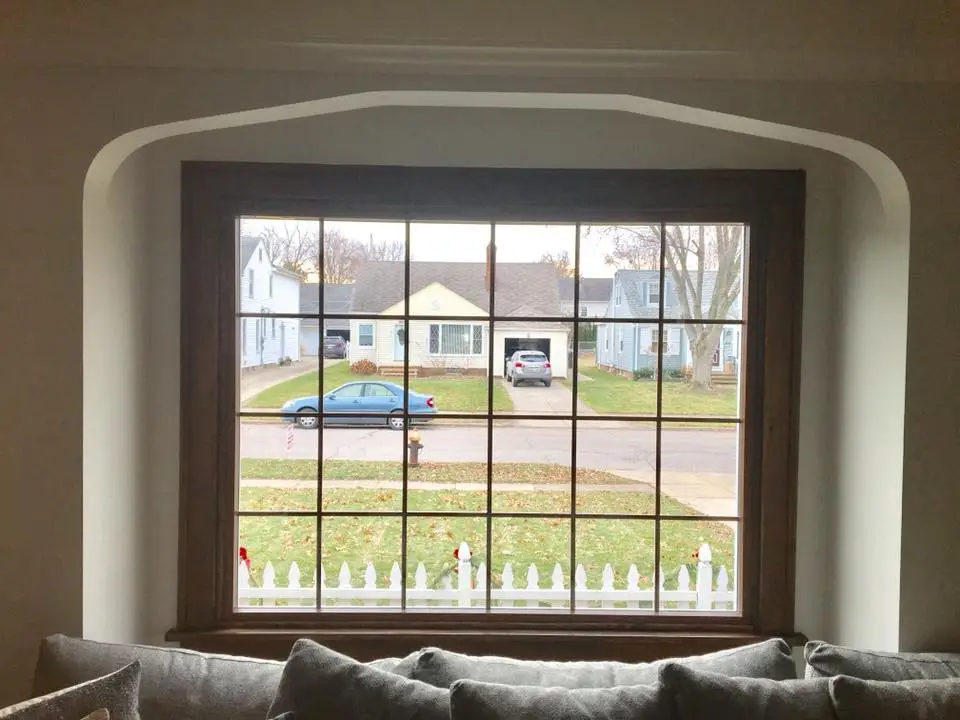
Winter puts windows on trial in Greater Cleveland. Drafts feel sharper. Glass stays colder. Heating costs climb, and comfort drops. Spring brings rain and big temperature swings, so weak windows keep causing trouble.
This post covers the clearest Signs Your Home Needs New Windows before spring arrives. You will see what to watch for, what those signs mean, and what a smart next step looks like. Window Expo Cleveland hears these same issues every late winter, and the pattern stays the same. Small window problems turn into bigger home problems fast.
Cold Drafts and Uneven Room Temps
Drafts sound minor until they become part of daily life. Some homes feel fine in the center, then icy near the glass. That gap points to air leaks, weak seals, or aging frames. Below are a few draft clues that show up before spring.
Cold air near a closed window
Stand close to the window on a windy day. A steady cool stream near the sash points to a seal that no longer holds. The room feels colder near the wall, even with the heat running.
One room never matches the thermostat
A bedroom that stays cold all winter rarely “fixes itself” in spring. Heat escapes from the weakest spot, and windows often sit at the top of that list. The rest of the home stays fine, then that one space keeps lagging.
Curtains shift on windy days
Curtains should hang still with locked windows. Movement points to air slipping through gaps around the frame. That same gap also lets moisture in during spring rain.
Condensation That Keeps Coming Back
A little fog on the inside glass can happen in cold weather. Ongoing moisture points to a bigger issue. Water collects where warm indoor air meets cold glass and cold frames. Below are the moisture signs that matter most.
Fog trapped between glass panes
Fog between panes points to a failed seal. The insulating layer stops working once that seal breaks. The window loses clarity and loses performance at the same time.
Water on the sill each morning
Water on the sill one time feels normal. Water on the sill all winter signals glass that stays too cold indoors. Paint and trim take the hit first, then drywall starts to suffer.
Soft trim or peeling paint
Paint that bubbles near a window points to repeated moisture. Wood trim can feel soft near the corners. That damage spreads once spring humidity and rain arrive.
Windows That Stick, Jam, or Refuse to Lock
A window can look fine and still fail in day-to-day use. Hardware wears out. Frames shift. Tracks collect grit and warp over time. Below are the practical signs that point toward window replacement.
Hard to open or close
A window should move smoothly with one hand. A window that fights back often has frame warp or worn hardware. That poor fit also harms the seal.
Locks that no longer line up
Locks that miss their latch create small gaps. Those gaps let cold air in and let conditioned air out. Security drops, and comfort drops with it.
Visible gaps at the sash
Look for light at the edges at night. A visible gap points to a frame that no longer sits square. Caulk and weatherstripping rarely solve a gap of that size.
Heating Costs That Keep Climbing
Energy bills tell a story, even without a full home audit. Old windows leak air and bleed heat. That loss adds up over months. Below are the cost patterns tied to failing windows.
Heat runs longer than it used to
A furnace that runs longer often fights heat loss. Windows can act like a constant drain on warm air. The system works harder to hold the set temperature.
Bills rise with no lifestyle change
Same thermostat setting. Same square footage. Same daily routine. A higher bill under those conditions points to heat escaping somewhere, and windows remain a common source.
Hot and cold spots across the same floor
A living room can feel fine near the sofa, then cold near the window wall. That swing points to weak insulation at the opening. New windows can steady that temperature.
Outside Noise Feels Louder Indoors
Noise often becomes more noticeable as winter ends. More cars, more lawn equipment, more people outside. Windows play a big role in sound control. Below are noise signs tied to poor window performance.
Traffic sounds feel close
A busy road should sound muted indoors. A sharp, clear sound points to glass and frames that block less noise. Older single-pane units make this worse.
Wind noise at the frame
Wind should not whistle through a closed window. Whistling points to air passing through gaps. That same gap also invites drafts and spring moisture.
Voices carry in from outside
Outdoor voices should fade indoors. Clear voices point to weak sound blocking. Many homeowners notice this most in bedrooms and front rooms.
Visible Wear on Frames and Glass
Some window problems show up with a quick look. Others show up in the corners and joints. Spring rain and humidity push worn materials harder. Below are the visible signs that often lead to window replacement before spring.
Cracks, warping, or bowed frames
Vinyl can crack, and wood can warp. A warped frame rarely seals well. A bowed frame can also stress the glass over time.
Draft stains and dirt trails
Dirt lines near the edges often follow air leaks. That airflow pulls dust into the frame area. Clean the frame, then watch how fast that dirt returns.
Glass that feels cold to the touch
Cold glass lowers comfort in the whole room. It also raises condensation risk. Triple pane glass and modern coatings help with that, and Window Expo Cleveland shows those options in person.
Why Late Winter Is a Smart Time to Act
Spring feels far away until the first warm day hits. Then schedules fill up fast. Late winter offers a calmer window for planning and installation. Below are the practical reasons homeowners target window replacement before spring.
Milder days help the install process
Extreme cold makes any exterior work harder. Late winter often brings milder stretches. That timing helps crews work efficiently without rushing.
Spring rain finds weak windows
Rain tests flashing, caulk lines, and frame joints. Weak seals show their age once rain and wind arrive together. New windows reduce that risk.
Comfort improves ahead of summer
Windows affect winter comfort, then summer comfort too. A home that holds heat better often holds cool air better as well. That change feels real during the first hot week.
A Straight Next Step Before Spring Hits
Not every home needs full replacement right away. Some homes need a clear look and honest feedback first. That step saves time and saves money. Below are simple ways to move forward without guesswork.
Walk the home and note patterns
Stand near windows on a windy day. Check sills for moisture in the morning. Pay attention to rooms that feel off compared to the rest of the house.
See real options in person
Photos online help, then real windows help more. Window Expo Cleveland has showrooms in Westlake and Canton open 24 hours a day, seven days a week. Seeing glass and frames up close makes choices easier.
Get clear pricing and a clear plan
A quote should feel straightforward. Scope, window count, and product type should all be clear. A good plan also covers timeline and install details.
Ready to Fix the Drafts Before Spring Arrives?
Some window problems stay quiet during mild weather. Winter makes them obvious, and spring makes them messy. Drafts, moisture, rising bills, and sticky windows all point in the same direction.
Window Expo Cleveland talks with homeowners every late winter who notice these same signs. A quick visit and a clear conversation often settle the question fast. Window replacement before spring can make the home feel better right away, then keep paying off through summer.